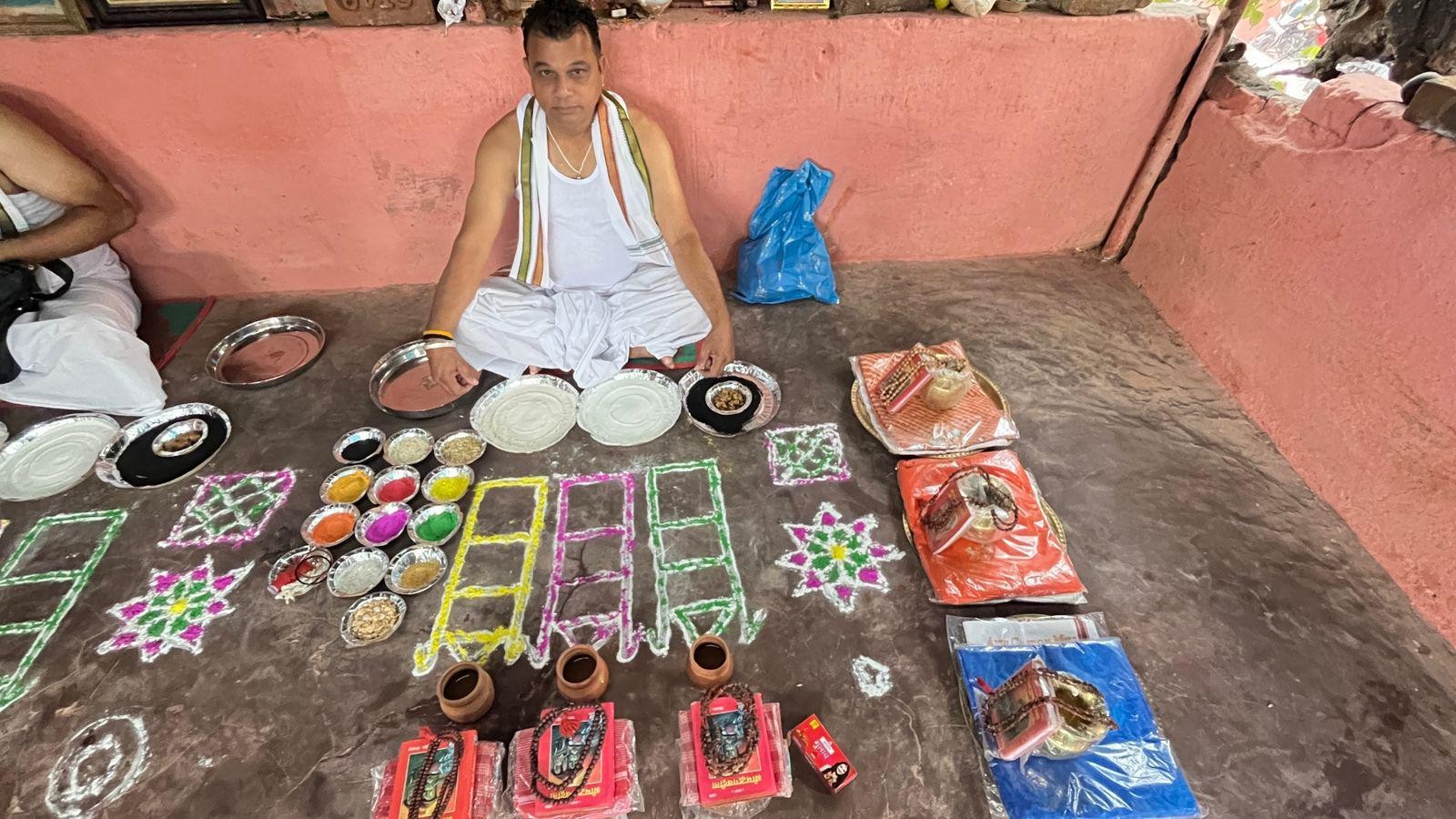
 Strip away the scripture, the mantras, and the specific procedures, and Pind Daan reveals something that isn't unique to Hindu tradition at all — the universal human need to formally acknowledge those who came before us. Nearly every culture has some version of this: a ceremony, a memorial, a ritual of remembrance. Pind Daan is simply one of the most structured and enduring expressions of it.
What makes it distinct is the specificity of place. Unlike a private memorial that could happen anywhere, Pind Daan Puja Gaya Ji ties this act of remembrance to a particular geography — the Vishnupad Temple, the Falgu River, the Akshayavat tree — locations that have absorbed the same intention from countless families across centuries. There's something grounding in that shared history, even for people approaching the ritual without deep religious conviction.
The details required — a name, a gotra, a tithi — aren't bureaucratic formalities. They're a way of making the act specific rather than abstract. It's the difference between generally "thinking about" someone who's passed and formally, deliberately setting aside time and effort to honour them by name, in a place considered spiritually significant for exactly this purpose.
Even the flexibility built into the tradition reflects something universally understood about grief and duty. Scripture doesn't punish families for delaying the ritual, for losing track of lineage details, or for being unable to travel. Provisions like the universal Kashyap Gotra, or scriptural confirmation that daughters can perform the rite just as sons can, or the more recent option of a remote Online E-Pind Daan — all of it reflects an underlying flexibility that prioritizes the intention behind the act over rigid procedural perfection.
Perhaps that's why the ritual endures, even among people who might not describe themselves as deeply religious. It answers something more fundamental than doctrine — the simple, human instinct to say thank you, and to do so somewhere that feels like it matters.